
Digital Outdoor
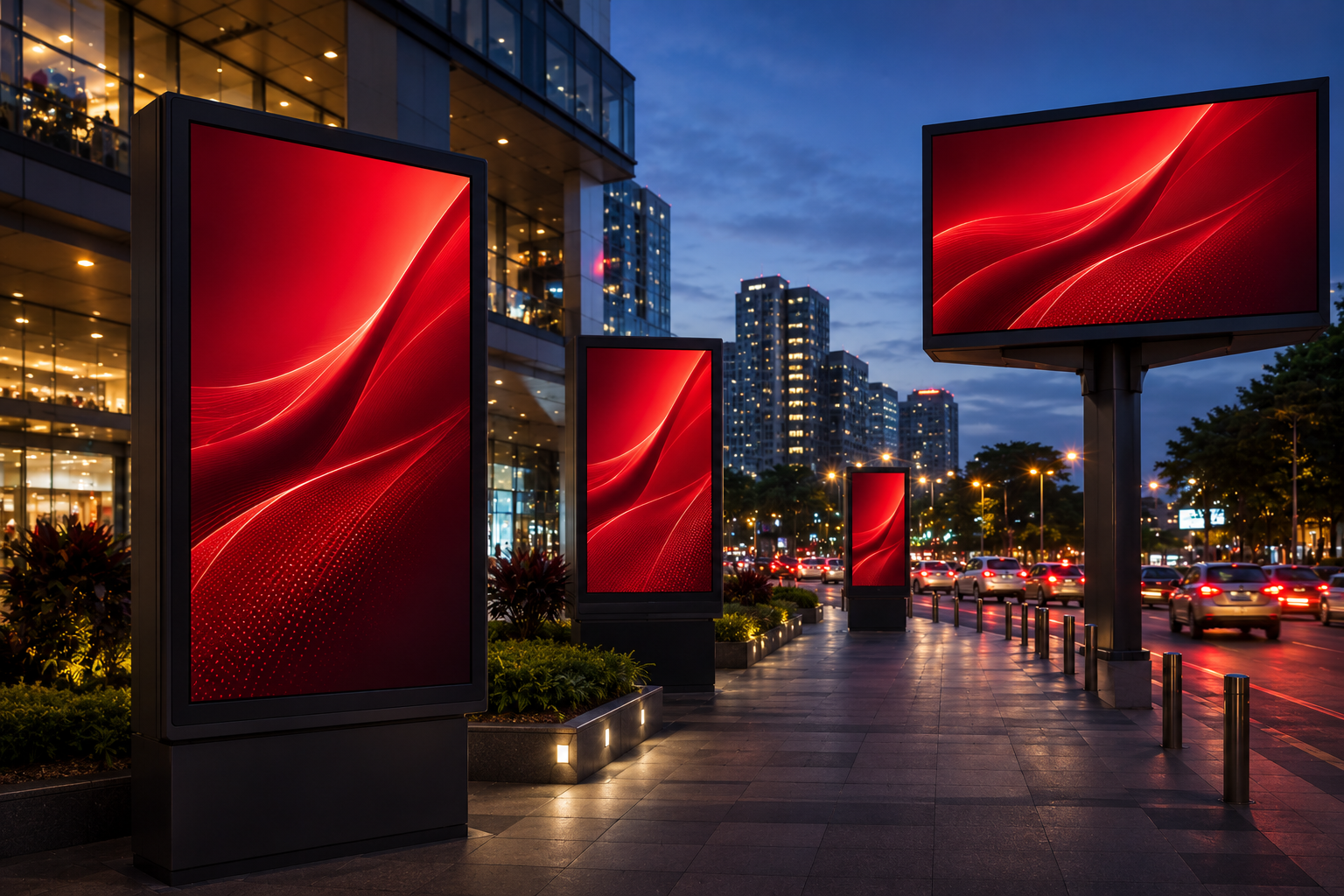
Reach your target audience through premium Digital Out-of-Home (DOOH) Advertising across India's leading airports, metro stations, shopping malls, digital billboards, transit media, corporate buildings, and LED screen networks. As a trusted DOOH Advertising Agency in India, The Media Spaces helps brands connect with millions of urban consumers through strategic media planning, data-driven screen selection, competitive media buying, and end-to-end campaign management. Our nationwide DOOH solutions deliver high-impact visibility, dynamic digital creatives, location-based targeting, and measurable campaign performance to maximise brand awareness, customer engagement, and business growth.
Key Insights
Digital Out-of-Home (DOOH) Advertising Agency in India
Digital Out-of-Home (DOOH) Advertising is redefining the way brands connect with audiences in public spaces by combining the scale of traditional outdoor advertising with the flexibility of digital technology. Unlike conventional hoardings that display a single printed creative for an extended period, DOOH campaigns use high-definition LED screens, digital billboards, video walls, and other digital displays to deliver dynamic, engaging, and contextually relevant advertising. The ability to update content in real time, schedule multiple creatives, and showcase high-impact visuals has made DOOH one of the fastest-growing segments of the Out-of-Home (OOH) advertising industry.
Across India, digital advertising screens are becoming increasingly common in airports, metro stations, shopping malls, commercial buildings, transit hubs, corporate campuses, retail outlets, and other high-footfall locations. These premium environments allow brands to reach business professionals, affluent consumers, families, shoppers, tourists, and daily commuters throughout their journey. With longer audience dwell times and visually engaging formats, Digital Out-of-Home Advertising delivers stronger brand visibility, improved message recall, and higher consumer engagement than many traditional outdoor media options.
Advancements in LED display technology, smart city initiatives, and the growing demand for data-driven advertising have accelerated the adoption of DOOH across major Indian cities. Businesses can now run time-specific campaigns, display multiple advertisements on the same screen, launch campaigns instantly across multiple locations, and integrate digital outdoor advertising with broader marketing initiatives for greater campaign effectiveness.
Whether the objective is building brand awareness, promoting a product launch, driving retail footfall, or supporting a multi-city marketing campaign, DOOH Advertising offers brands a modern, flexible, and impactful communication platform. As a trusted DOOH Advertising Agency in India, The Media Spaces helps businesses plan and execute digital outdoor advertising campaigns across premium LED screens, digital billboards, airport displays, metro networks, shopping malls, transit locations, and other high-visibility media to maximise reach, engagement, and return on investment.
What is Digital Out-of-Home (DOOH) Advertising?
Digital Out-of-Home (DOOH) Advertising is a modern form of outdoor advertising that uses digital screens instead of traditional printed media to deliver advertising messages in public spaces. It combines the extensive reach of conventional Out-of-Home (OOH) advertising with the flexibility of digital technology, allowing brands to display dynamic content, videos, animations, live updates, and multiple advertisements on a single screen. Unlike static billboards, DOOH campaigns can be updated instantly, scheduled for specific times of the day, and adapted to different audiences and locations without replacing physical media.
DOOH advertising is commonly found in high-footfall environments such as airports, metro stations, shopping malls, railway stations, corporate buildings, transit hubs, retail stores, cinemas, hotels, hospitals, educational institutions, and roadside digital billboards. These strategically placed digital displays allow brands to engage consumers during their daily routines, ensuring repeated exposure and stronger brand recall.
One of the key advantages of Digital Out-of-Home Advertising is its ability to deliver contextually relevant content. Advertisers can schedule different creatives based on time, location, weather conditions, audience demographics, or special events, making campaigns more targeted and effective. This flexibility enables brands to promote product launches, limited-time offers, seasonal campaigns, public awareness initiatives, and brand-building messages with greater precision than traditional outdoor advertising.
As digital infrastructure continues to expand across India, DOOH has become an increasingly important component of integrated marketing strategies. Businesses across industries—including retail, automotive, real estate, banking, healthcare, education, technology, FMCG, hospitality, and entertainment—are leveraging DOOH Advertising to reach premium audiences in environments where consumers spend significant time. By combining high-quality visuals, strategic media placement, and real-time content management, Digital Out-of-Home Advertising offers a powerful platform for creating impactful brand experiences and driving meaningful customer engagement.
Why Digital Out-of-Home (DOOH) Advertising is Growing in India
Digital Out-of-Home (DOOH) Advertising is experiencing rapid growth in India as advertisers increasingly seek media solutions that combine high visibility, flexibility, and measurable impact. The shift from static outdoor advertising to digital displays is being driven by advances in display technology, expanding urban infrastructure, changing consumer behaviour, and the growing demand for data-driven marketing. Today, DOOH has become an integral part of modern advertising strategies, enabling brands to deliver engaging content across premium public environments while responding quickly to changing campaign requirements.
One of the biggest factors contributing to the growth of DOOH is India's rapid urbanisation. As cities expand and public infrastructure improves, digital advertising screens are being installed across airports, metro stations, shopping malls, commercial complexes, corporate parks, transit hubs, and roadside locations. These high-footfall environments provide advertisers with access to large and diverse audiences throughout the day, making DOOH an effective medium for both brand awareness and customer engagement.
The widespread adoption of high-resolution LED technology has also transformed the outdoor advertising landscape. Modern digital screens offer brighter displays, superior image quality, video capabilities, and dynamic content that attracts significantly more attention than traditional printed billboards. Advertisers can showcase multiple creatives, promotional videos, product launches, countdown campaigns, and seasonal messaging without the time and cost associated with replacing physical media.
Another major advantage of DOOH Advertising is its flexibility. Campaigns can be updated remotely within minutes, allowing brands to change creative content based on the time of day, location, festivals, weather conditions, product availability, or ongoing marketing campaigns. This ability to deliver relevant and timely messages makes DOOH considerably more responsive than conventional outdoor advertising.
The growth of Smart City initiatives and increasing investment in digital infrastructure have further accelerated the adoption of DOOH across India. Many public spaces are now equipped with digital displays that support intelligent content management and improved audience engagement. At the same time, advertisers are increasingly integrating DOOH with digital marketing, social media, mobile campaigns, and performance marketing to create consistent customer experiences across multiple channels.
As brands continue to focus on innovation, measurable outcomes, and premium audience reach, Digital Out-of-Home Advertising is expected to play an even larger role in India's advertising ecosystem. Its combination of visual impact, strategic placement, operational flexibility, and growing digital infrastructure makes DOOH one of the most promising and future-ready advertising mediums for businesses across industries.
Types of Digital Out-of-Home (DOOH) Advertising
Digital Out-of-Home (DOOH) Advertising encompasses a wide range of digital display formats installed across high-footfall environments. Each advertising format serves a different purpose depending on the campaign objective, audience profile, location, and dwell time. From large roadside digital billboards to premium airport displays and interactive retail screens, businesses can choose from multiple DOOH solutions to maximise visibility and audience engagement.
Digital Billboards: Digital billboards are large-format LED displays installed along highways, arterial roads, commercial districts, and major city intersections. They offer exceptional visibility to motorists and pedestrians while allowing advertisers to display multiple creatives, high-definition videos, animations, and time-based messaging. Their dynamic nature makes them ideal for large-scale brand awareness campaigns and product launches.
Airport Digital Advertising: Airports provide access to premium audiences, including business travellers, corporate executives, international visitors, and affluent consumers. Digital advertising opportunities include LED video walls, digital directories, check-in displays, baggage claim screens, departure lounges, and interactive kiosks. These placements benefit from extended passenger dwell time and a high-quality advertising environment.
Metro Digital Advertising: Digital displays across metro stations and train networks enable brands to engage millions of daily commuters. LED screens, platform displays, concourse screens, concourse displays, ticketing area displays, and train interior digital media deliver repeated exposure throughout the commuter journey, making metro DOOH particularly effective for urban brand campaigns.
Mall Digital Advertising: Shopping malls attract consumers who spend considerable time browsing, dining, and shopping. Digital advertising formats such as LED video walls, escalator screens, atrium displays, food court screens, and digital kiosks help brands reach highly engaged audiences in a premium retail environment.
Transit Digital Advertising: Transit DOOH includes digital displays installed across bus terminals, railway stations, taxi hubs, and other public transport locations. These screens offer advertisers the opportunity to communicate with commuters throughout their daily travel while delivering high-frequency brand exposure.
Retail Digital Signage: Retail stores increasingly use digital signage to promote products, special offers, seasonal campaigns, and new launches. Digital displays positioned at store entrances, checkout counters, product aisles, and window displays help influence purchasing decisions at the point of sale.
Corporate Digital Signage: Many corporate offices, business parks, IT campuses, and commercial buildings feature digital display networks within reception areas, elevators, cafeterias, and common spaces. These advertising opportunities allow brands to engage professionals, decision-makers, and high-income audiences in a business-focused environment.
Interactive Digital Displays: Interactive kiosks and touchscreen displays provide a more engaging advertising experience by encouraging consumers to interact directly with the content. These solutions can include product catalogues, wayfinding systems, surveys, games, QR code integrations, and promotional activities, creating deeper customer engagement than traditional display advertising.
With such a diverse range of advertising formats, Digital Out-of-Home Advertising enables businesses to design campaigns that align with specific marketing objectives, audience segments, and geographic locations. Selecting the right combination of digital media formats helps maximise campaign reach, improve brand recall, and create meaningful customer experiences across multiple touchpoints.
Benefits of Digital Out-of-Home (DOOH) Advertising
Digital Out-of-Home (DOOH) Advertising offers brands a powerful combination of visibility, flexibility, and audience engagement that traditional outdoor advertising cannot always provide. By leveraging digital screens across premium public locations, businesses can deliver dynamic campaigns that are more impactful, adaptable, and measurable. As consumer attention increasingly shifts towards digital experiences, DOOH has become an essential component of modern marketing strategies across India.
High Visibility in Premium Locations: DOOH advertising is strategically positioned in high-footfall environments such as airports, metro stations, shopping malls, corporate buildings, transit hubs, and busy roadside locations. These placements ensure that advertisements are viewed by thousands of people every day, helping brands achieve extensive reach and consistent visibility.
Dynamic & Engaging Content: Unlike static billboards, digital displays support videos, animations, motion graphics, countdowns, and rich multimedia content. Moving visuals naturally attract more attention, making advertisements more engaging and improving message retention among viewers.
Real-Time Content Updates: One of the biggest advantages of DOOH is the ability to update advertising content instantly. Brands can change creatives remotely based on promotions, product launches, seasonal campaigns, festivals, time of day, or special events without incurring printing or installation costs.
Multiple Campaigns on a Single Screen: Digital screens can rotate multiple advertisements throughout the day, allowing brands to display different creatives at different times. This flexibility enables advertisers to tailor messages for various audience segments while making more efficient use of digital advertising inventory.
Improved Brand Recall: Digital displays capture attention more effectively than traditional printed media. High-resolution visuals, motion graphics, and repeated exposure across frequently visited locations contribute to stronger brand recognition and higher recall among consumers.
Flexible Campaign Planning: DOOH campaigns can be launched, modified, paused, or extended with minimal operational effort. This flexibility allows advertisers to respond quickly to market changes, promotional opportunities, and campaign performance without replacing physical advertising materials.
Targeted Audience Reach: Different DOOH locations attract distinct audience groups. Airports reach premium business and leisure travellers, metro stations engage daily commuters, shopping malls attract shoppers and families, while corporate buildings connect with professionals and decision-makers. This enables brands to select media locations that closely align with their target audience.
Integration with Digital Marketing: DOOH works exceptionally well alongside digital marketing campaigns. Advertisers can integrate QR codes, social media promotions, mobile applications, website campaigns, and location-based marketing to create a seamless omnichannel customer experience and improve overall campaign effectiveness.
Cost-Efficient for Long-Term Campaigns: Although digital advertising may involve higher media costs than some static formats, it eliminates recurring printing and installation expenses associated with replacing physical creatives. The ability to manage multiple campaigns on the same screen also improves overall operational efficiency and long-term value.
Measurable & Future-Ready Advertising: As Digital Out-of-Home technology continues to evolve, advertisers increasingly benefit from audience analytics, campaign scheduling, content management systems, and programmatic advertising capabilities. These innovations make DOOH a scalable, data-driven, and future-ready advertising solution that adapts to changing consumer behaviour and marketing objectives.
With its ability to combine premium visibility, engaging content, operational flexibility, and strategic audience targeting, Digital Out-of-Home Advertising has become one of the most effective media channels for brands looking to strengthen awareness, enhance customer engagement, and maximise the impact of their advertising investments.
Industries Using Digital Out-of-Home (DOOH) Advertising
Digital Out-of-Home (DOOH) Advertising is a versatile advertising medium that serves businesses across a wide range of industries. Its ability to deliver dynamic content in premium, high-footfall environments makes it suitable for both brand-building and performance-driven campaigns. Whether the objective is increasing brand awareness, promoting a new product, driving footfall, or launching a nationwide campaign, DOOH enables advertisers to engage the right audience at the right place and time.
Retail & Consumer Brands: Retail businesses use DOOH Advertising to promote new product launches, seasonal sales, festive offers, store openings, and brand campaigns. Digital displays in shopping malls, high streets, transit hubs, and commercial areas help retailers reach shoppers when they are most likely to make purchasing decisions.
Real Estate: Real estate developers leverage DOOH to promote residential projects, commercial developments, luxury properties, and investment opportunities. Digital billboards, airport displays, metro screens, and roadside LED advertising enable developers to target homebuyers, investors, and corporate professionals across key markets.
Automotive: Automobile manufacturers and dealerships use Digital Out-of-Home Advertising to showcase new vehicle launches, promotional offers, electric vehicles, and test-drive campaigns. High-impact digital displays effectively communicate product features through videos and animations, creating stronger visual appeal than traditional static advertising.
Banking, Financial Services & Insurance (BFSI): Banks, insurance companies, fintech platforms, and investment firms utilise DOOH Advertising to promote financial products, digital banking services, insurance plans, credit cards, and investment opportunities. Premium locations such as airports, metro stations, and business districts help these brands reach high-value consumers and working professionals.
Healthcare & Pharmaceuticals: Hospitals, diagnostic centres, pharmaceutical companies, and healthcare providers use DOOH to build awareness about healthcare services, wellness programmes, preventive health campaigns, and specialised medical treatments. Digital displays allow healthcare brands to communicate important information quickly and effectively.
Education & EdTech: Universities, colleges, coaching institutes, online learning platforms, and educational technology companies use DOOH campaigns to promote admissions, courses, certification programmes, and skill development initiatives. Metro stations, malls, and urban commercial areas provide access to students, parents, and young professionals.
Travel, Tourism & Hospitality: Airlines, hotels, tourism boards, travel agencies, and hospitality brands use Digital Out-of-Home Advertising to promote destinations, travel packages, hotel launches, seasonal offers, and tourism campaigns. Airport digital displays and transit media are particularly effective for reaching travellers during their journey.
FMCG & Consumer Goods: Fast-Moving Consumer Goods (FMCG) companies rely on DOOH to increase product visibility, support retail distribution, and strengthen brand recall. Dynamic video content and eye-catching visuals help consumer brands stand out in competitive retail environments.
Entertainment & Media: Movie studios, OTT platforms, television networks, music labels, gaming companies, and event organisers use DOOH to promote film releases, streaming content, concerts, sporting events, and entertainment experiences. Digital screens enable countdown campaigns, trailers, and promotional videos that generate excitement before launch.
Technology & Telecommunications: Technology companies, smartphone manufacturers, software providers, internet service providers, and telecom brands use DOOH Advertising to launch new products, promote digital services, and strengthen brand presence among urban consumers. Premium digital media locations help technology brands reach connected audiences with visually engaging campaigns.
The adaptability of Digital Out-of-Home Advertising makes it suitable for businesses of all sizes and across virtually every industry. By selecting the right locations, screen formats, and campaign strategy, brands can effectively connect with their target audience, improve brand visibility, and achieve meaningful marketing outcomes through one of the fastest-growing advertising mediums in India.
How Digital Out-of-Home (DOOH) Advertising Works
A successful Digital Out-of-Home (DOOH) advertising campaign involves much more than advertising a digital screen. It requires strategic planning, audience analysis, media selection, creative optimisation, campaign scheduling, and continuous monitoring to ensure maximum visibility and engagement. By following a structured approach, businesses can deliver targeted messages across premium digital display networks while maximising the return on their advertising investment.
Define Campaign Objectives
The first step is to establish clear campaign objectives. Businesses may aim to increase brand awareness, promote a product launch, drive retail footfall, generate enquiries, support an event, or strengthen market presence. Clearly defined goals help determine the most suitable locations, media formats, campaign duration, and creative strategy.
Identify the Target Audience: Understanding the target audience is essential for selecting the right DOOH network. Factors such as age, profession, lifestyle, purchasing behaviour, geographic location, and daily movement patterns influence where advertisements should be displayed. For example, airports are ideal for reaching business travellers and affluent consumers, while metro stations and shopping malls provide access to large urban audiences.
Select the Right Digital Screens: The effectiveness of a DOOH campaign depends heavily on choosing the appropriate advertising locations. Brands can advertise across airports, metro stations, shopping malls, roadside digital billboards, corporate buildings, retail outlets, transit hubs, and other high-footfall environments. Media selection should be based on audience relevance, visibility, dwell time, and campaign objectives.
Develop High-Impact Creative: Digital displays provide an opportunity to use engaging visuals, videos, animations, and motion graphics that capture attention more effectively than static advertisements. Creative content should be clear, visually appealing, and consistent with the brand's messaging while communicating the key message within a few seconds.
Schedule & Launch the Campaign: Unlike traditional outdoor advertising, DOOH campaigns can be scheduled with great flexibility. Advertisers can display different creatives at specific times of the day, during weekends, festive seasons, or special events. Campaigns can also be updated remotely in real time, allowing brands to respond quickly to changing business requirements without replacing physical media.
Monitor Campaign Performance: Once the campaign is live, it should be monitored regularly to ensure advertisements are displayed correctly across all selected locations. Advertisers can verify campaign delivery, review screen performance, and ensure that scheduled creatives are running according to plan.
Measure Campaign Effectiveness: After the campaign concludes, businesses should evaluate its performance against the original objectives. Key performance indicators may include estimated audience reach, impressions, brand awareness, website traffic, QR code scans, social media engagement, enquiries, retail footfall, and overall campaign impact. These insights help optimise future DOOH campaigns and improve marketing effectiveness.
Digital Out-of-Home Advertising combines strategic planning with the flexibility of digital technology to deliver highly engaging campaigns across premium public spaces. By selecting the right locations, creating compelling content, and continuously monitoring campaign performance, businesses can maximise audience engagement, strengthen brand recall, and achieve measurable marketing results.
DOOH Advertising Cost in India
The cost of Digital Out-of-Home (DOOH) Advertising varies significantly depending on the advertising location, screen type, audience profile, campaign duration, display frequency, and media inventory. Premium digital screens located in airports, metro stations, central business districts, shopping malls, and high-traffic urban corridors generally command higher advertising rates due to their superior visibility and affluent audience reach.
Unlike traditional outdoor advertising, where a single advertiser occupies one display for an extended period, most DOOH networks operate on a time-slot or loop-based system. Multiple advertisements are displayed in rotation, allowing brands to purchase specific durations, frequencies, or campaign periods based on their marketing objectives and budget.
The overall campaign investment also depends on factors such as the number of screens selected, city coverage, campaign length, creative format (static or video), screen resolution, and whether the campaign runs across a single location or a nationwide digital media network.
Indicative DOOH Advertising Cost in India
|
DOOH Advertising Format |
Estimated Cost* |
|
Digital Billboard Advertising |
₹1,50,000 – ₹12,00,000+ per month |
|
Airport Digital Screens |
₹75,000 – ₹10,00,000+ per month |
|
Metro Digital Advertising |
₹30,000 – ₹5,00,000+ per month |
|
Mall Digital Screens |
₹25,000 – ₹4,00,000+ per month |
|
Corporate Building Digital Displays |
₹20,000 – ₹2,50,000+ per month |
|
Retail Digital Signage |
₹15,000 – ₹2,00,000+ per month |
|
Transit Digital Screens |
₹25,000 – ₹3,50,000+ per month |
|
Programmatic DOOH Campaigns |
Custom pricing based on impressions, audience targeting, and campaign duration |
The above figures are indicative and may vary depending on the city, media owner, screen size, campaign duration, advertising frequency, inventory availability, and premium placement.
For brands planning regional or national campaigns, multiple digital screens can be combined across airports, metro networks, shopping malls, roadside digital billboards, transit hubs, and commercial districts to create an integrated DOOH strategy. Such campaigns are typically customised based on the desired geographic coverage, target audience, and marketing objectives.
At The Media Spaces, we help businesses identify the most suitable DOOH media options, negotiate competitive advertising rates, and execute campaigns across leading digital outdoor media networks throughout India. Whether you are planning a local campaign in a single city or a nationwide brand launch, our team develops customised DOOH advertising solutions that maximise visibility, audience engagement, and return on investment.
Factors Affecting DOOH Advertising Cost
The cost of Digital Out-of-Home (DOOH) Advertising is influenced by several factors beyond the type of digital screen. Media owners determine pricing based on the location, audience profile, campaign duration, screen specifications, advertising frequency, and inventory demand. Understanding these factors helps businesses plan realistic budgets while selecting media that delivers the highest return on investment.
Location of the Digital Screen: The location of the screen is one of the most significant pricing factors. Digital displays in airports, premium shopping malls, metro stations, central business districts, and high-traffic commercial corridors generally cost more than screens in smaller cities or suburban areas due to their larger audience and higher visibility.
Audience Reach & Footfall: Locations with higher daily footfall and premium audience demographics command higher advertising rates. Screens viewed by business professionals, affluent travellers, shoppers, and urban commuters typically provide greater brand exposure and therefore carry a premium price.
Screen Size & Display Quality: Larger LED billboards, ultra-high-definition video walls, and premium digital displays are more expensive than standard digital screens. Screen resolution, brightness, viewing distance, and overall display quality also influence media pricing.
Campaign Duration: Longer campaign durations often provide better value through negotiated pricing, while short-term campaigns may have higher per-day or per-week costs. Brands running month-long or multi-city campaigns can often secure more competitive commercial terms.
Advertising Frequency: Most DOOH networks display advertisements on a rotating loop. The number of times an advertisement appears each hour, along with the duration of each spot, directly affects campaign cost. Higher frequency provides greater audience exposure but also increases media investment.
Number of Screens & Geographic Coverage: Campaigns running across multiple digital screens or several cities naturally require a higher budget than campaigns limited to a single location. However, wider coverage enables brands to achieve greater reach and maintain consistent messaging across different markets.
Creative Format: Static digital creatives generally cost less to produce than animated advertisements or high-definition video content. While media charges may remain similar, video production, animation, and motion graphics can increase the overall campaign budget.
Peak Seasons & Demand: Advertising rates often increase during festive seasons, major sporting events, shopping festivals, tourism peaks, elections, and other periods of high advertiser demand. Early planning helps secure preferred inventory and more favourable pricing.
Premium Screen Placement: Not all digital screens within a venue offer the same level of visibility. Displays positioned at entrances, waiting areas, escalators, departure lounges, major intersections, or high-dwell zones typically command premium rates because they receive greater audience attention.
Programmatic & Targeted Campaign Requirements: For programmatic DOOH campaigns, pricing may also depend on audience targeting, scheduling preferences, impression volumes, geographic filters, and real-time campaign optimisation. Advanced targeting capabilities provide greater efficiency but may involve additional investment.
Understanding these cost factors enables businesses to allocate their advertising budget more effectively and select the most appropriate media mix for their objectives. At The Media Spaces, we evaluate campaign goals, audience behaviour, location performance, and available media inventory to recommend cost-effective DOOH advertising solutions that maximise reach, engagement, and overall campaign performance.
How to Choose the Right DOOH Advertising Agency
The success of a Digital Out-of-Home (DOOH) advertising campaign depends not only on selecting premium digital screens but also on partnering with the right advertising agency. An experienced DOOH Advertising Agency brings together media planning, location strategy, creative coordination, commercial negotiations, campaign execution, and performance monitoring to ensure that every advertising investment delivers measurable results.
With hundreds of digital media owners operating across airports, metro stations, shopping malls, highways, corporate buildings, and transit networks, choosing the right partner can simplify campaign management while providing access to better media opportunities and competitive pricing.
Industry Experience: Choose an agency with proven expertise in planning and executing DOOH campaigns across multiple industries. An experienced agency understands audience behaviour, media performance, and location suitability, enabling it to recommend the most effective digital advertising solutions for your campaign objectives.
Access to Premium Media Networks: A reliable DOOH Advertising Agency should have strong relationships with leading media owners across India. This allows businesses to access premium digital inventory in airports, metro networks, shopping malls, roadside LED billboards, transit hubs, corporate buildings, and other high-footfall locations through a single point of contact.
Strategic Media Planning: The right agency focuses on campaign strategy rather than simply booking advertising space. It evaluates your target audience, preferred cities, campaign objectives, budget, and market presence to recommend the most effective combination of locations, screen types, and campaign duration.
Transparent Pricing: Advertising costs should be clearly explained without hidden charges. A professional agency provides detailed media plans, transparent quotations, and realistic campaign recommendations based on available inventory and budget requirements.
Creative & Campaign Support: Successful DOOH campaigns require visually engaging creatives that perform well on digital displays. An experienced agency should assist with artwork specifications, video formats, screen resolutions, animation requirements, scheduling, and content optimisation to ensure advertisements are displayed effectively across every screen.
Nationwide Campaign Management: For brands targeting multiple cities, working with a single agency is far more efficient than coordinating with several regional media owners. A nationwide DOOH partner can manage planning, bookings, scheduling, creative deployment, and campaign monitoring across all selected locations while maintaining consistent brand messaging.
Campaign Monitoring & Reporting: Campaign execution should not end once advertisements go live. A dependable agency monitors campaign delivery, verifies media execution, coordinates with media owners, and provides campaign reports that help advertisers evaluate performance and plan future marketing initiatives more effectively.
Why Choose The Media Spaces for DOOH Advertising?
The Media Spaces is a trusted DOOH Advertising Agency in India, helping businesses reach their target audience through strategically planned digital advertising campaigns across leading media networks. We provide end-to-end campaign management, from media planning and location selection to creative coordination, media buying, campaign execution, and ongoing support.
Our extensive network covers premium DOOH inventory across airports, metro stations, shopping malls, digital billboards, transit media, corporate buildings, retail environments, and other high-visibility locations throughout India. Whether you are launching a local campaign in a single city or executing a nationwide branding initiative, our team develops customised media strategies aligned with your business goals and budget.
By combining market expertise, transparent pricing, access to premium media, and dedicated campaign management, The Media Spaces ensures that every DOOH campaign delivers maximum visibility, stronger audience engagement, and measurable business impact.
Looking to launch a high-impact Digital Out-of-Home (DOOH) advertising campaign? Whether your objective is to build brand awareness, promote a new product, increase customer engagement, or execute a nationwide campaign, The Media Spaces offers end-to-end DOOH advertising solutions across India's leading digital media networks.
Our team provides strategic media planning, location selection, media buying, creative coordination, campaign execution, and performance monitoring across airports, metro stations, shopping malls, digital billboards, corporate buildings, transit media, and other premium digital advertising locations.
To discuss your campaign requirements or request a customised media plan, contact our experts today.
Email: enquiry@themediaspaces.com
We will help you identify the most effective DOOH advertising opportunities, optimise your media investment, and deliver campaigns that maximise brand visibility, audience engagement, and business results.
Frequently Asked Questions (FAQ's)
-
What is Digital Out-of-Home (DOOH) Advertising?
Digital Out-of-Home (DOOH) Advertising is a modern form of outdoor advertising that uses digital screens, LED displays, video walls, and interactive signage to display advertisements in public places such as airports, metro stations, shopping malls, highways, corporate buildings, and transit hubs.
-
How is DOOH different from traditional outdoor advertising?
Unlike traditional billboards that display a single printed advertisement, DOOH uses digital technology to showcase videos, animations, multiple creatives, and real-time content. Campaigns can also be updated remotely without replacing physical media.
-
What are the most popular DOOH advertising locations in India?
Popular DOOH locations include airports, metro stations, shopping malls, roadside digital billboards, railway stations, bus terminals, corporate parks, retail stores, multiplexes, hospitals, and commercial business districts.
-
How much does DOOH Advertising cost in India?
The cost varies depending on the city, media location, screen type, campaign duration, advertising frequency, and audience reach. Campaigns can range from a few thousand rupees for local digital screens to several lakhs per month for premium airport or large-format digital billboard advertising.
-
Which industries benefit from DOOH Advertising?
DOOH is widely used by retail brands, FMCG companies, real estate developers, automobile manufacturers, banks, fintech companies, healthcare providers, educational institutions, travel and tourism brands, entertainment companies, telecom operators, and government organisations.
-
Can DOOH campaigns run in multiple cities?
Yes. Businesses can execute regional or nationwide DOOH campaigns across multiple cities using digital billboards, airport screens, metro networks, shopping malls, and other digital media locations to achieve broader audience reach.
-
Can I advertise on airport and metro digital screens together?
Absolutely. Many advertisers combine airport digital advertising with metro, mall, and roadside digital billboards to build an integrated campaign that increases brand visibility across multiple customer touchpoints.
-
Can DOOH advertisements be updated after the campaign starts?
Yes. One of the biggest advantages of DOOH is that creatives can be updated remotely. Advertisers can change messaging, promotional offers, videos, or campaign schedules without replacing any physical advertising material.
-
What type of content works best for DOOH Advertising?
Short, visually engaging content performs best. High-quality images, concise messaging, videos, motion graphics, and strong branding help capture attention and improve audience recall within a few seconds.
-
Why choose The Media Spaces for DOOH Advertising?
The Media Spaces offers end-to-end DOOH advertising solutions across India, including media planning, premium media buying, campaign execution, creative coordination, transparent pricing, and nationwide campaign management. We help businesses select the right digital media locations to maximise reach, engagement, and return on investment.